
The Public Story Machine
Deception PointThis flow examines how discovery, media presentation, and political messaging shape the public’s understanding before the evidence is corrected.
increasing Bearing strength in each event
 decreasing
Bearing strength in each eventdecreasingThe NASA Image Problem
The NASA Image Problem
A vulnerable institution
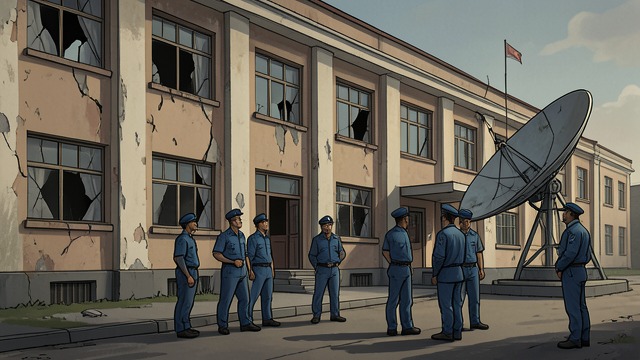
NASA enters the election with a record of overruns, failed missions, and a declining public image. Sexton uses those failures to make the agency stand for wasteful government.
The agency’s actual scientific work competes with a simplified political narrative that rewards memorable failures more than complicated achievements.
A search for credibility
Herney’s support for NASA leaves him exposed to criticism, while NASA staff believe the agency deserves recognition for its long-term work.
The need to communicate science to voters makes the agency’s eventual reliance on a celebrity documentary seem both practical and politically risky.
The Documentary Strategy
The Documentary Strategy
Science made accessible
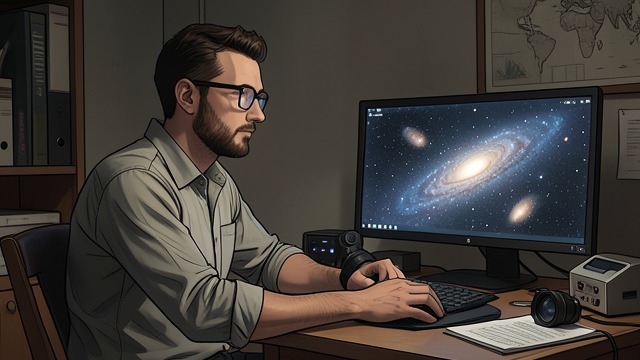
Michael Tolland prepares a short film that turns complex geological and astrophysical claims into a visual story for a general audience. His known television persona offers a familiar face to viewers who may distrust government officials.
Civilian scientists provide additional credibility, presenting the discovery as independently confirmed rather than simply a NASA assertion.
The risk of packaging
The documentary’s clarity is a strength, but its polished structure can also conceal uncertainty. When a complex claim is compressed into an exciting narrative, qualifications may disappear behind the emotional force of the presentation.
The broadcast will make the discovery memorable before the public has an opportunity to examine its provenance.
A Worldwide Announcement
A Worldwide Announcement
Full media deployment
The White House uses television, news wires, and live feeds to ensure that the announcement reaches a vast audience. The scale of the broadcast makes the discovery feel like a collective national event.
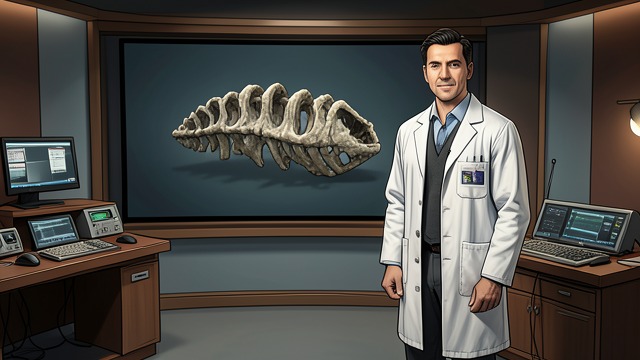
Herney introduces the fossil as unequivocal proof, followed by Lawrence Ekstrom and Tolland’s documentary. The images and expert testimony reinforce one another.
Spectacle becomes certainty
The event is carefully timed to revive NASA’s reputation and the President’s campaign. Because the message is emotionally powerful, political and scientific questions blur together.
The public is invited to celebrate before it is invited to scrutinize how the evidence was assembled.
Competing Frames
Competing Frames
The campaign narrative shifts
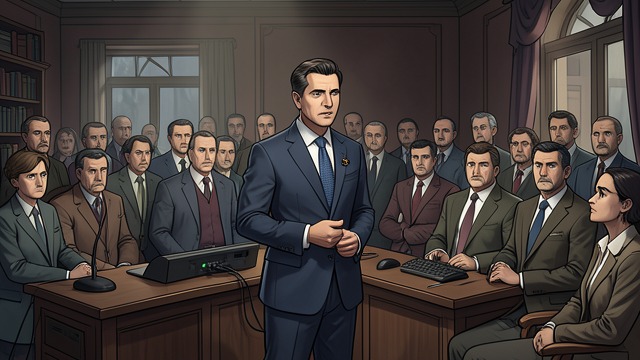
News coverage quickly connects the scientific announcement to Sexton’s anti-NASA campaign. Commentators portray the discovery as a decisive political victory for Herney and a devastating setback for Sexton.
The underlying scientific uncertainty receives less attention than the dramatic effect on the election.
Information as ammunition
Sexton’s allies search for weaknesses, while the White House emphasizes expert endorsement. Gabrielle moves between these competing worlds, trying to determine which claims are factual and which are campaign tactics.
The story shows how public knowledge is shaped not only by evidence but by who controls its timing, framing, and repetition.
The Corrective Broadcast
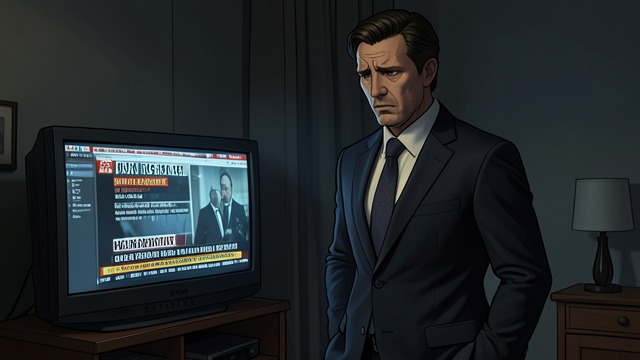
The Corrective Broadcast
A story must be revised
After the hoax is exposed, Herney addresses the public again and admits that the supposed extraterrestrial discovery was false. The correction has to compete with the original broadcast’s images and excitement.
The President gives the public a different kind of event: not a triumph, but an account of failure and responsibility.
Rebuilding through candor
The correction cannot restore the innocence of the original announcement or erase the political damage. It can, however, prevent the false claim from becoming the permanent public record.
The contrast between the two broadcasts underscores the power of media presentation while affirming that truth eventually requires more than compelling images.
The months before the discovery
Late afternoon before the announcement
Eight o’clock on announcement night
That night in newsrooms and homes
The following evening
